
Pulmonology OPD:2:00 PM - 8:30 PM
Rheumatology OPD:10:00 AM - 8:30 PM
Behind Nishant Tower, Gandhi Road, Akola
+91 74984 96987
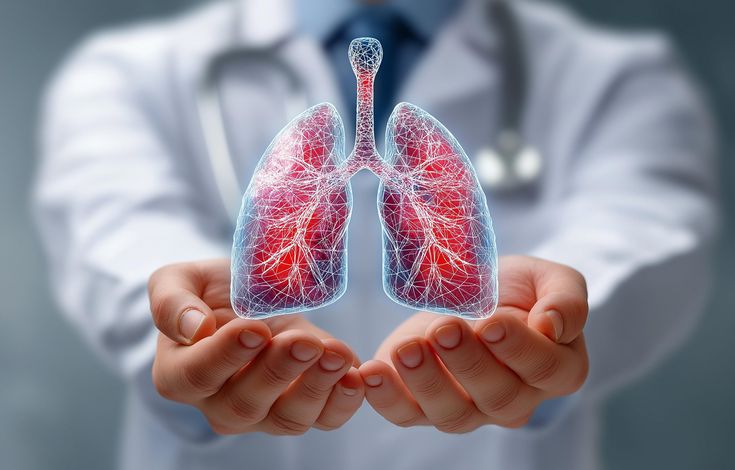
Breathlessness, wheezing, or a chronic cough can have several possible causes and the only way to know for certain how your lungs are actually functioning is to test them. At Nishchay Hospital, Dr. Yash Sanjay Kedia offers both spirometry and impulse oscillometry in Akola, giving a precise, objective picture of your lung function rather than relying on symptoms alone.
Breathlessness, wheezing, or a chronic cough can have several possible causes and the only way to know for certain how your lungs are actually functioning is to test them. At Nishchay Hospital, Dr. Yash Sanjay Kedia offers both spirometry and impulse oscillometry in Akola, giving a precise, objective picture of your lung function rather than relying on symptoms alone.
Spirometry and impulse oscillometry are both pulmonary function tests (PFTs) – non-invasive tools used to measure how well your lungs are working. Rather than relying only on symptoms and a stethoscope, these tests give objective, measurable data that helps confirm a diagnosis, assess severity, and track how well treatment is working overtime.
They measure lung function differently and are often used together, depending on what your symptoms suggest and how well you’re able to perform each test.
Both tests measure lung function, but in different ways and for slightly different purposes.
The standard, most widely used lung function test. It requires forceful breathing effort and measures:
A newer, passive test performed during normal, relaxed breathing. It requires minimal effort and can detect:
The two tests complement each other — in many cases, using both gives a more complete picture of what’s happening in the airways than either test alone.
Your doctor may recommend spirometry or impulse oscillometry if you have:
An objective answer, not a guess
These tests give measurable data that helps confirm what’s happening in your lungs, rather than relying on symptoms alone.
If you experience any of these symptoms, your doctor may recommend lung function testing in Akola:
Spirometry and Impulse Oscillometry (IOS) can help assess lung function and identify breathing problems, including asthma, COPD, and airway obstruction.
Confirming the diagnosis and measuring how well current treatment is controlling airway inflammation.
Assessing the severity of airflow obstruction and tracking disease progression over time.
Monitoring changes in lung function as scarring or restriction of lung tissue evolves.
Impulse oscillometry is particularly useful for detecting early small-airway changes that spirometry can miss.
Impulse oscillometry is particularly useful for detecting early small airway changes that spirometry can miss.
Tracking objective improvement or decline in lung function as treatment is adjusted over time.
Impulse Oscillometry (IOS) is especially useful for children, elderly patients, and people who find spirometry difficult because it requires only normal, relaxed breathing.
It can also help patients with wheezing, breathlessness, chest tightness, asthma, or suspected COPD, particularly when spirometry results are normal or unclear. IOS may detect small-airway changes that spirometry can sometimes miss.
At Nishchay Hospital, Akola, impulse oscillometry can be used as a complementary lung function test to support respiratory evaluation and treatment monitoring.
Dr. Yash Kedia is a leading chest specialist in Akola with DM in Pulmonary & Critical Care Medicine, trained in advanced interventional pulmonology – EBUS biopsy, cryobiopsy, bronchoscopy and thoracoscopy. Trained further in Germany and holding a European Diploma in Adult Respiratory Medicine (EDARM), he offers expert diagnosis and treatment for chronic cough, asthma, COPD, TB, ILD lung disease and sleep apnea in Akola.
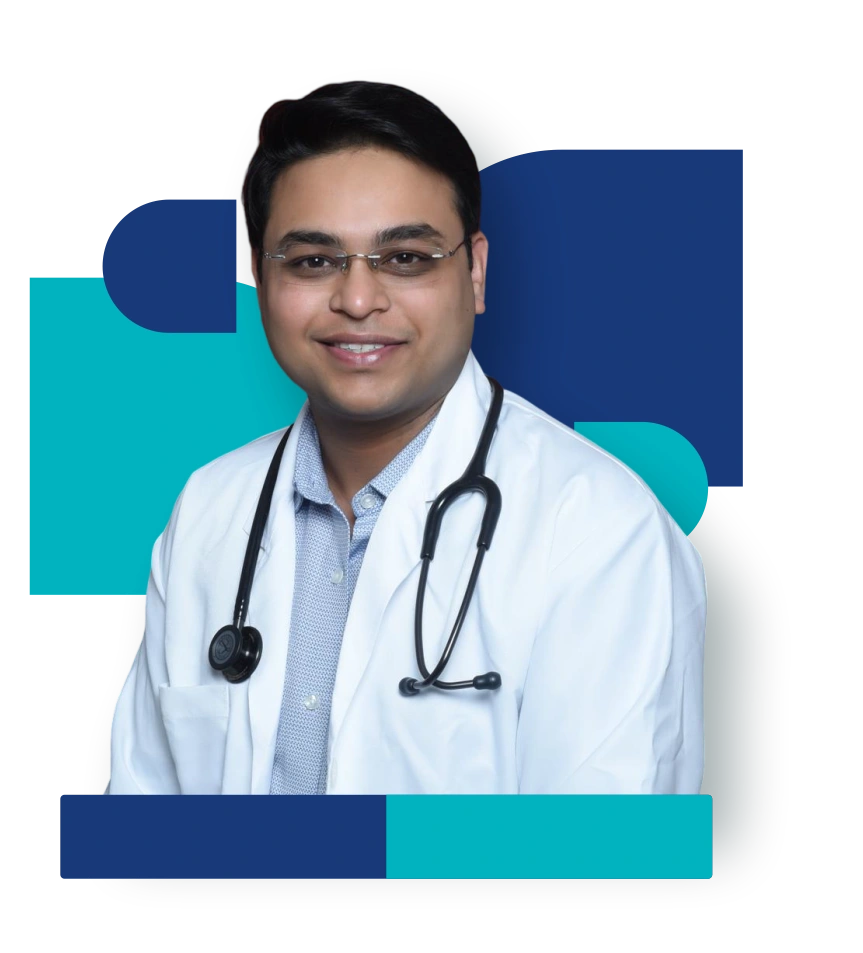
Dr. Yash Kedia is a leading chest specialist in Akola with DM in Pulmonary & Critical Care Medicine, trained in advanced interventional pulmonology – EBUS biopsy, cryobiopsy, bronchoscopy and thoracoscopy. Trained further in Germany and holding a European Diploma in Adult Respiratory Medicine (EDARM), he offers expert diagnosis and treatment for chronic cough, asthma, COPD, TB, ILD lung disease and sleep apnea in Akola.

No. Spirometry is completely painless – it just requires you to breathe forcefully into a mouthpiece. Some people find the forceful breathing effort tiring, but there’s no pain involved.
Spirometry requires forceful, deep breathing maneuvers and measures airflow, while impulse oscillometry is performed during normal, relaxed breathing and measures airway resistance — making it easier for patients who struggle with spirometry’s effort requirements.
Young children often find spirometry’s forceful breathing technique difficult, so impulse oscillometry — which only needs normal breathing — is often a more suitable option for them.
Not always — your doctor will decide based on your symptoms and how well you can perform spirometry’s breathing maneuvers. In some cases, both tests together give a more complete picture.
Both tests are quick, usually taking just a few minutes each, and results are typically available and explained the same day.
Your doctor may advise avoiding certain inhaler medications for a few hours before testing, depending on what’s being assessed — always follow the specific instructions given for your appointment.

Best Pulmonologist & Rheumatologist in Akola, offering advanced lung care, arthritis treatment, sleep apnea treatment, and joint pain treatment under one roof.
Mahatma Gandhi Rd, behind Nishant Towar, Akola, Maharashtra 444001.
© 2026 Nishchay Hospital. All rights reserved. | Designed & Developed by WeDo.