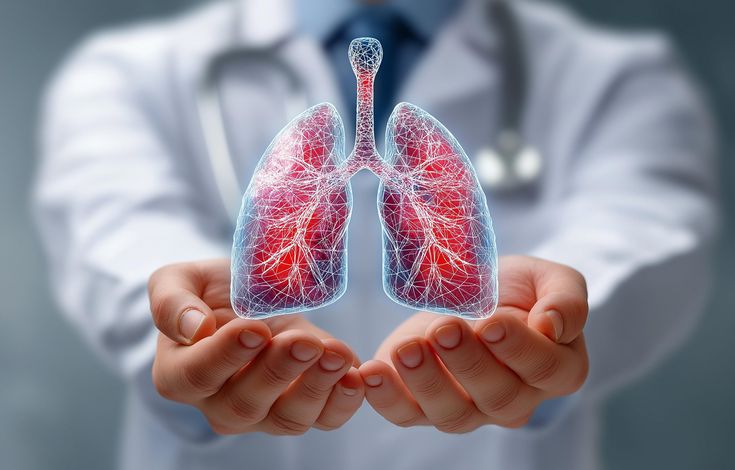
Doctor holding model of human lungs for chest care

At Nishchay Hospital, we provide expert pulmonology and rheumatology care, focused on accurate diagnosis and personalised treatment. Our specialists help you breathe easier and move better, under one roof.

Pulmonology care in Akola
Allergy Testing in Akola

Sneezing, a constantly blocked nose, itchy eyes, or breathlessness that flares up in certain seasons or around certain triggers — these symptoms often have an identifiable cause. At Nishchay Hospital, allergy testing in Akola is offered under the care of Dr. Yash Sanjay Kedia, helping you find out exactly what’s behind your symptoms instead of just managing them with medication.

At Nishchay Hospital, we provide expert pulmonology and rheumatology care, focused on accurate diagnosis and personalised treatment. Our specialists help you breathe easier and move better, under one roof.

Pulmonology care in Akola
Allergy Testing in Akola

Sneezing, a constantly blocked nose, itchy eyes, or breathlessness that flares up in certain seasons or around certain triggers — these symptoms often have an identifiable cause. At Nishchay Hospital, allergy testing in Akola is offered under the care of Dr. Yash Sanjay Kedia, helping you find out exactly what’s behind your symptoms instead of just managing them with medication.

What Is Allergy Testing?

Allergy testing helps identify the specific substances — called allergens — that trigger your body’s immune system into an allergic reaction. Common allergens include pollen, dust mites, animal dander, mould, certain foods, and some medications.

Many people manage allergy symptoms for years with over-the-counter medication without ever finding out what’s actually causing them. Allergy testing changes that: once your specific triggers are identified, treatment can be far more targeted, whether that means avoiding the allergen, starting appropriate medication, or considering long-term options like immunotherapy.

Types of Allergy Tests

Depending on your symptoms and history, one or both of the following may be recommended:

Skin Prick Test 

The most common and fastest method. A tiny amount of allergen is placed on the skin, usually on the forearm, and gently pricked. A small, localised reaction indicates a positive result, with results available within 15–20 minutes.

Blood (IgE) Test

Measures allergy-related antibodies in the blood. This may be used when skin testing isn’t suitable — for example, if certain medications can’t be stopped before testing, or in patients with extensive skin conditions.

Your doctor will recommend the right test — or combination of tests — based on your symptoms, medical history and the allergens being investigated.

Pinpointing what's behind your symptoms
Common Allergens We Test For

Allergy testing at Nishchay Hospital can screen for a wide range of environmental, food and other allergens, including:

  • Pollen: From trees, grasses and weeds — a common trigger for seasonal sneezing, congestion and itchy eyes.
  • Dust Mites: Microscopic organisms found in bedding, carpets and upholstery, often responsible for year-round nasal symptoms and asthma flare-ups.
  • Animal Dander: Tiny skin flakes shed by pets such as cats and dogs, which can trigger sneezing, wheezing or skin reactions in sensitive individuals.
  • Mould: Found in damp or poorly ventilated areas, mould spores can worsen respiratory symptoms and trigger allergic reactions.
  • Certain Foods: Including common triggers such as milk, eggs, nuts and specific food groups linked to your reported symptoms.
  • Insect Stings: Reactions to bee, wasp or other insect stings, which can range from mild swelling to more significant allergic responses.
  • Select Medications: Certain drugs, including some antibiotics, that may cause allergic reactions in susceptible individuals.
  • Occupational or Environmental Irritants: Substances encountered at work or in daily surroundings such as chemicals, dust, or specific materials – that may be contributing to ongoing symptoms.

Symptoms That May Need Allergy Testing

Allergy testing may help if you regularly experience:

  • Sneezing, or an itchy nose, eyes or throat
  • Nasal congestion or a persistent runny nose
  • Watery or irritated eyes
  • Wheezing or breathlessness, especially around specific triggers
  • Hives, skin rashes, or itchiness
  • Symptoms that flare up in specific seasons
  • Reactions after eating certain foods
  • Asthma symptoms that aren’t well controlled with current medication

Find the trigger, not just the treatment

If these symptoms are frequent or affecting your daily life, testing can help pinpoint the exact trigger so treatment actually addresses the cause.

How Is Joint Pain and Arthritis Diagnosed?

Joint pain is a symptom, not a diagnosis. Finding the underlying cause helps determine which treatment is appropriate.
At Nishchay Hospital, evaluation may include:

1

Medical History

The doctor will ask about the location of pain, duration of symptoms, morning stiffness, previous injuries, family history and other health concerns.

2

Physical Examination

The affected joints are examined for swelling, tenderness, warmth, movement and other signs of inflammation.

3

Blood Tests

Depending on the symptoms, investigations may include inflammatory markers such as ESR and CRP, rheumatoid factor, anti-CCP antibodies, uric acid and other tests when clinically appropriate.

4

Musculoskeletal Ultrasound

Musculoskeletal ultrasound can provide real-time information about joints, tendons and surrounding soft tissues. At Nishchay Hospital, ultrasound assessment can be performed by an EULAR-trained specialist when clinically indicated.

5

X-Ray and Other Imaging

X-rays or other imaging may be recommended when the doctor needs to assess structural changes, joint damage or another possible cause of pain.

[bold_timeline_item_button title=”Expand” style=”” shape=”” color=”” size=”inline” url=”#” el_class=”bold_timeline_group_button”]

Why Untreated Sleep Apnea Matters?

Sleep apnea isn’t only about feeling tired the next day — left untreated over time, it can affect your heart, metabolism and overall health. Common risks include:

High Blood Pressure & Heart Disease 

Repeated drops in oxygen levels put extra strain on the heart and blood vessels, increasing the risk of hypertension and cardiovascular problems.

Worsening of Existing Lung or Heart Conditions

For patients who already have lung or heart conditions, untreated sleep apnea can make these conditions harder to manage.

Stroke Risk 

Untreated sleep apnea is linked to a higher risk of stroke, partly due to its effects on blood pressure and blood vessel health.

Type 2 Diabetes

Poor sleep quality and repeated oxygen drops can affect how the body regulates blood sugar, increasing diabetes risk over time.

Daytime Drowsiness & Accident Risk 

Persistent fatigue from fragmented sleep can affect concentration and reaction time, raising the risk of accidents at work or while driving.

Worsening of Existing Lung or Heart Conditions

For patients who already have lung or heart conditions, untreated sleep apnea can make these conditions harder to manage.

How Is Sleep Apnea Diagnosed? The Sleep Study

A sleep study is the only way to confirm a sleep apnea diagnosis with certainty. At Nishchay Hospital, evaluation typically includes:

1

Clinical Assessment

Dr. Kedia reviews your symptoms, sleep history, and relevant health conditions, often supported by a sleep questionnaire.

2

Sleep Study (Polysomnography)

An overnight study that records breathing patterns, oxygen levels, heart rate, and other parameters while you sleep, to identify and measure apnea episodes.

3

Severity Assessment

Results are used to calculate how frequently breathing is interrupted, which determines how severe the sleep apnea is and guides treatment choice.

4

Results Discussion & Treatment Plan

Dr. Kedia explains the findings in detail and recommends a treatment approach suited to your specific case.

[bold_timeline_item_button title=”Expand” style=”” shape=”” color=”” size=”inline” url=”#” el_class=”bold_timeline_group_button”]

After Diagnosis: Treatment & Management

Once your specific allergens are identified, treatment is planned around avoiding and managing them:

  • Practical guidance on avoiding or reducing exposure to your confirmed triggers
  • Medication tailored to your specific allergies, rather than general allergy treatment
  • Better control of related conditions like asthma or allergic rhinitis
  • Consideration of long-term options such as immunotherapy, where appropriate
Expertise
Technology
Care
Comfort
Trust
Quality

Pulmonary & Critical Care, Akola
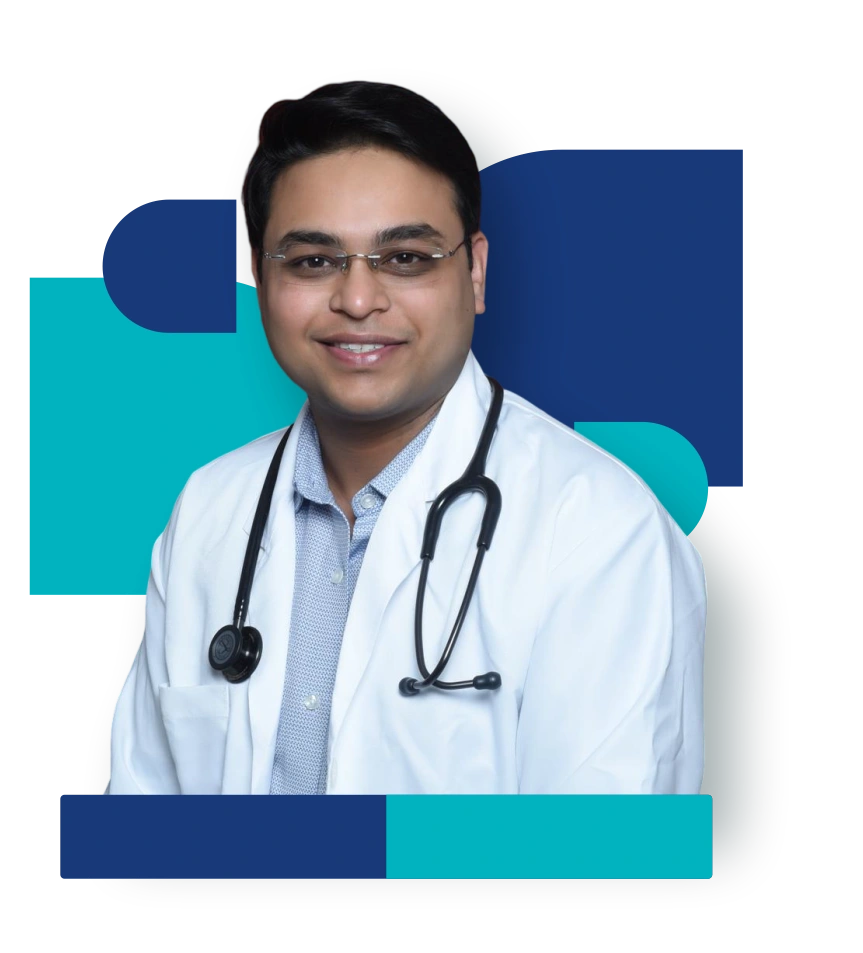
Dr. Yash Sanjay Kedia

Best Pulmonologist in Akola & Sleep Medicine Specialist

Dr. Yash Kedia is a leading chest specialist in Akola with DM in Pulmonary & Critical Care Medicine, trained in advanced interventional pulmonology – EBUS biopsy, cryobiopsy, bronchoscopy and thoracoscopy. Trained further in Germany and holding a European Diploma in Adult Respiratory Medicine (EDARM), he offers expert diagnosis and treatment for chronic cough, asthma, COPD, TB, ILD lung disease and sleep apnea in Akola.
  • DM (Pulmonary & Critical Care Medicine)
  • MD, DNB, MNAMS
  • FSM – Fellowship in Sleep Medicine
  • EDARM – European Diploma in Adult Respiratory Medicine
  • Advanced Interventional Pulmonology Training, Germany
  • OPD Timing: 2:00 PM – 8:30 PM

Dr. Yash Kedia's Credentials at a Glance

DM Pulmonology, Akola
Super-specialist lung care
EBUS & Cryobiopsy Expert
Precision lung biopsy specialist
Germany-Trained
International respiratory medicine training
Best Pulmonologist in Akola & Sleep Medicine Specialist

Pulmonary & Critical Care, Akola
Dr. Yash Sanjay Kedia

Best Pulmonologist in Akola & Sleep Medicine Specialist

Dr. Yash Kedia is a leading chest specialist in Akola with DM in Pulmonary & Critical Care Medicine, trained in advanced interventional pulmonology – EBUS biopsy, cryobiopsy, bronchoscopy and thoracoscopy. Trained further in Germany and holding a European Diploma in Adult Respiratory Medicine (EDARM), he offers expert diagnosis and treatment for chronic cough, asthma, COPD, TB, ILD lung disease and sleep apnea in Akola.

  • DM (Pulmonary & Critical Care Medicine)
  • MD, DNB, MNAMS
  • FSM – Fellowship in Sleep Medicine
  • EDARM – European Diploma in Adult Respiratory Medicine
  • Advanced Interventional Pulmonology Training, Germany
  • OPD Timing: 2:00 PM – 8:30 PM

Dr. Yash Kedia's Credentials at a Glance

DM Pulmonology, Akola
Super-specialist lung care
EBUS & Cryobiopsy Expert
Precision lung biopsy specialist
Germany-Trained
International respiratory medicine training
Nishchay Hospital logo, pulmonology and rheumatology center Akola

Why Choose Nishchay Hospital for Allergy Testing in Akola?

  • Specialist Evaluation: Allergy testing done by a pulmonologist who connects results to your breathing and overall respiratory health.
  • Fast, Accurate Results: Skin prick testing with results typically available within 15–20 minutes.
  • Individualized Test Panels: Allergens tested are chosen based on your symptoms and history, not a generic panel.
  • Care Beyond Diagnosis: A clear treatment plan following your results, not just a list of what you’re allergic to.
  • Connected Respiratory Care: Ideal for patients whose allergies are linked to asthma or chronic respiratory symptoms.
Nishchay Hospital logo, pulmonology and rheumatology center Akola

Why Choose Nishchay Hospital for Allergy Testing in Akola?

  • Specialist Evaluation: Allergy testing done by a pulmonologist who connects results to your breathing and overall respiratory health.
  • Fast, Accurate Results: Skin prick testing with results typically available within 15–20 minutes.
  • Individualized Test Panels: Allergens tested are chosen based on your symptoms and history, not a generic panel.
  • Care Beyond Diagnosis: A clear treatment plan following your results, not just a list of what you’re allergic to.
  • Connected Respiratory Care: Ideal for patients whose allergies are linked to asthma or chronic respiratory symptoms.
Is allergy testing painful?

No. A skin prick test involves only a light prick on the skin’s surface and causes minimal discomfort, similar to a mosquito bite, which resolves quickly.

How long does it take to get results?

Skin prick test results are usually available within 15 to 20 minutes. Blood-based allergy tests may take longer, depending on the lab.

Do I need to stop any medication before testing?

Yes, certain medications — particularly antihistamines — can interfere with results and usually need to be stopped for a period before testing, as advised by your doctor.

Is allergy testing safe for children?

Yes. Skin prick testing is considered safe and effective for patients of all ages, including infants and children, when performed by a trained specialist.

Can allergy testing help with my asthma?

Yes. Identifying specific allergy triggers can help explain why asthma symptoms flare up and allows treatment to be adjusted to better control both the allergy and the asthma.

What happens if my allergy test is negative?

A negative result generally means you are not allergic to the tested substance. If symptoms persist, your doctor may recommend testing for other allergens or investigating other possible causes.

Nishchay Hospital official logo

Best Pulmonologist & Rheumatologist in Akola, offering advanced lung care, arthritis treatment, sleep apnea treatment, and joint pain treatment under one roof.

Quick Contact

Mahatma Gandhi Rd, behind Nishant Towar, Akola, Maharashtra 444001.

Social Networks

Visit Nishchay Hospital on these social links.

© 2026 Nishchay Hospital. All rights reserved. | Designed & Developed by WeDo.