
Pulmonology OPD:2:00 PM - 8:30 PM
Rheumatology OPD:10:00 AM - 8:30 PM
Behind Nishant Tower, Gandhi Road, Akola
+91 74984 96987

Persistent joint pain, swelling or unexplained fevers in a child are not always “growing pains.” When a child’s immune system affects their joints, skin or other organs, early evaluation by a rheumatologist makes a real difference to long-term outcomes.
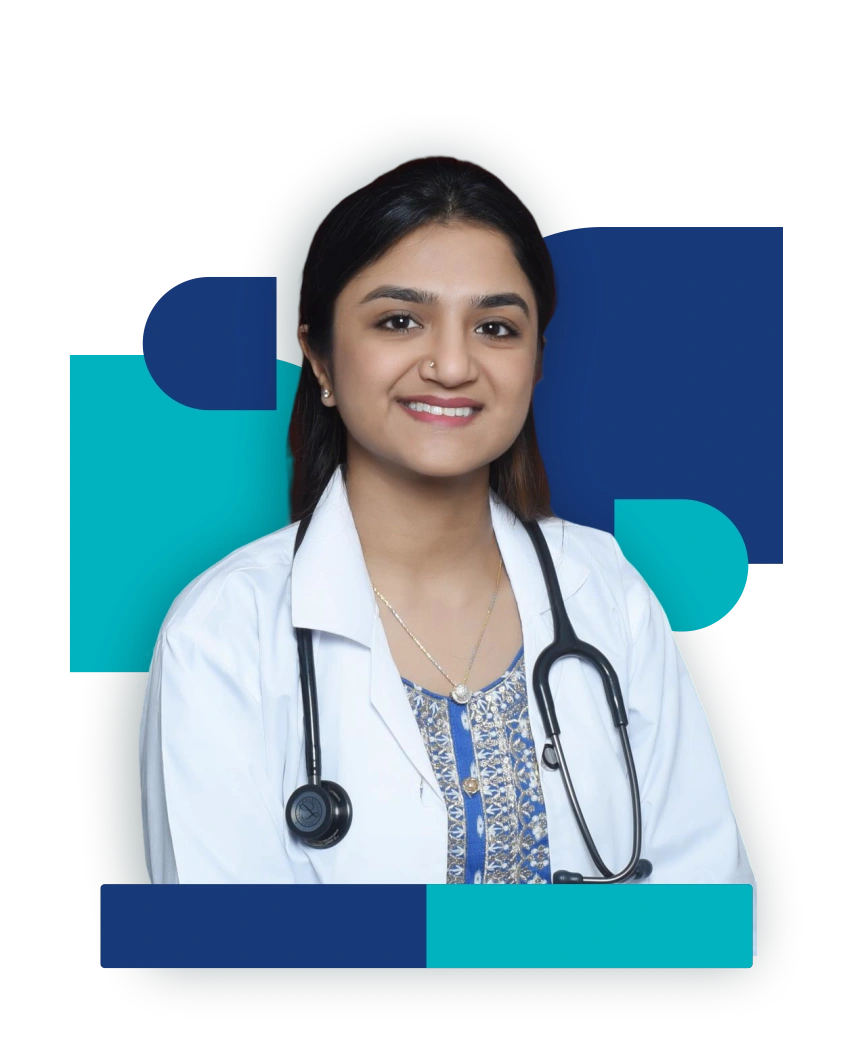
At Nishchay Hospital, Dr. Niti Y. Kedia provides specialist paediatric rheumatology care in Akola for children and adolescents with juvenile arthritis and other autoimmune and inflammatory conditions.
Persistent joint pain, swelling or unexplained fevers in a child are not always “growing pains.” When a child’s immune system affects their joints, skin or other organs, early evaluation by a rheumatologist makes a real difference to long-term outcomes.
At Nishchay Hospital, Dr. Niti Y. Kedia provides specialist paediatric rheumatology care in Akola for children and adolescents with juvenile arthritis and other autoimmune and inflammatory conditions.
Paediatric rheumatology is the branch of medicine that focuses on autoimmune and inflammatory conditions in children and teenagers — conditions where the immune system mistakenly attacks the body’s own joints, muscles, skin or organs.
A child’s body is still growing, so rheumatic conditions can behave differently in children than they do in adults, and symptoms are not always as obvious. A child may simply seem more tired, reluctant to walk, or “clumsier” than usual, rather than complaining directly of joint pain — which is why these conditions are sometimes missed or mistaken for growing pains.
With early diagnosis and the right treatment plan, most children with rheumatic conditions can be helped to lead active, normal childhoods.
At Nishchay Hospital, Dr. Niti Kedia evaluates and treats a range of childhood rheumatic and autoimmune conditions, including:
The most common form of arthritis in children, causing joint pain, swelling and stiffness that lasts more than six weeks.
An autoimmune condition that can affect a child’s skin, joints, kidneys, blood and other organs.
An inflammatory condition affecting muscles and skin, causing weakness and characteristic skin changes in children.
Inflammation of blood vessels that can affect the skin, joints and internal organs in children and adolescents.
A rare condition causing thickening of the skin and, in some cases, involvement of internal organs in children.
Including recurrent unexplained fevers and other inflammatory conditions that need specialist evaluation.
Children don’t always describe joint pain the way adults do. Watch for:
Not just “growing pains”
Persistent symptoms lasting more than a few weeks – especially with swelling, fever or rash – should not simply be assumed to be growing pains and deserve a specialist evaluation.
A Growing Body
Because children are still growing, rheumatic conditions can affect bone development and growth plates – something adult rheumatology doesn’t need to account for.
Different Symptoms & Needs
Children often present symptoms differently, and care must also consider their emotional, developmental and family needs – not just the disease itself.
There is no single test that confirms most childhood rheumatic conditions. Diagnosis is based on a combination of:
Treatment is tailored to the child’s specific condition, age and disease activity, and may include:
Dr. Niti Y. Kedia is a gold-medalist physician trained in Internal Medicine, with focused post-doctoral training in Rheumatology. She provides specialised arthritis and autoimmune care in Akola, backed by advanced diagnostic skills and international training.
She completed a 2-year post-doctoral Fellowship in Rheumatology at the Indian Spinal Injuries Centre, Delhi, and holds EULAR training in musculoskeletal ultrasound – a precision imaging technique that allows early and accurate detection of joint inflammation, often before it is visible on standard X-rays.
Dr. Niti Y. Kedia is a gold-medalist physician trained in Internal Medicine, with focused post-doctoral training in Rheumatology. She provides specialised arthritis and autoimmune care in Akola, backed by advanced diagnostic skills and international training.
She completed a 2-year post-doctoral Fellowship in Rheumatology at the Indian Spinal Injuries Centre, Delhi, and holds EULAR training in musculoskeletal ultrasound – a precision imaging technique that allows early and accurate detection of joint inflammation, often before it is visible on standard X-rays.
Yes. Juvenile idiopathic arthritis (JIA) is the most common rheumatic condition in children and can cause joint pain, swelling and stiffness lasting more than six weeks.
Growing pains are usually brief and occur at night without swelling, while arthritis typically causes persistent joint swelling, stiffness or pain that continues for weeks and may worsen without treatment.
Early signs can include limping, joint swelling, morning stiffness, reluctance to use an arm or leg normally, unexplained fatigue, or recurring fever.
Yes. Childhood-onset lupus is less common than in adults but can affect the skin, joints, kidneys and other organs, and requires careful monitoring by a rheumatologist.
Yes. It’s a painless, radiation-free scan that can help detect joint inflammation in children, making it a well-tolerated diagnostic option when clinically indicated.
Many children achieve remission or good long-term disease control with early diagnosis and appropriate treatment, allowing them to lead active, normal childhoods.
If your child has joint pain, swelling or stiffness lasting more than a few weeks, unexplained fever, rashes with joint symptoms, or reduced activity levels, it’s worth getting a rheumatology evaluation.

Best Pulmonologist & Rheumatologist in Akola, offering advanced lung care, arthritis treatment, sleep apnea treatment, and joint pain treatment under one roof.
Mahatma Gandhi Rd, behind Nishant Towar, Akola, Maharashtra 444001.
© 2026 Nishchay Hospital. All rights reserved. | Designed & Developed by WeDo.