
Pulmonology OPD:2:00 PM - 8:30 PM
Rheumatology OPD:10:00 AM - 8:30 PM
Behind Nishant Tower, Gandhi Road, Akola
+91 74984 96987
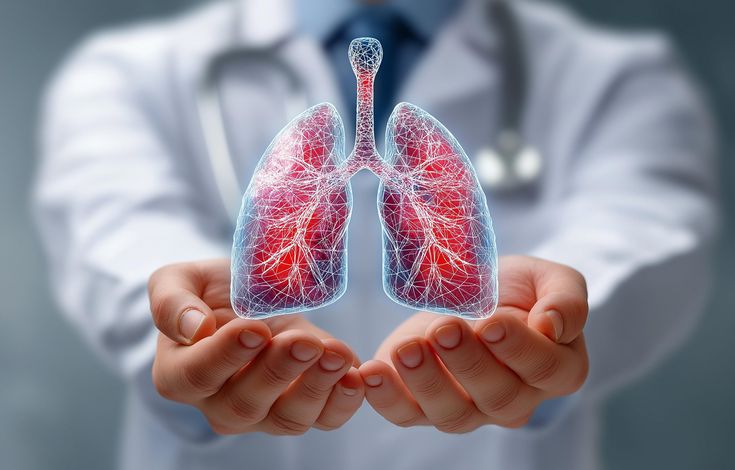
Loud snoring, gasping for air at night, or waking up tired even after a full night’s sleep aren’t things to simply get used to. At Nishchay Hospital, sleep apnea evaluation and sleep study services in Akola are led by Dr. Yash Sanjay Kedia, a Fellowship-trained Sleep Medicine specialist, helping patients get an accurate diagnosis and a treatment plan that actually improves their sleep.
Loud snoring, gasping for air at night, or waking up tired even after a full night’s sleep aren’t things to simply get used to. At Nishchay Hospital, sleep apnea evaluation and sleep study services in Akola are led by Dr. Yash Sanjay Kedia, a Fellowship-trained Sleep Medicine specialist, helping patients get an accurate diagnosis and a treatment plan that actually improves their sleep.
Sleep apnea is a sleep disorder in which breathing repeatedly stops and restarts during sleep. These pauses, called apneas, can last a few seconds to over a minute and may occur many times an hour, without the person even realising it’s happening.
Each pause disrupts sleep and briefly lowers oxygen levels in the body, which is why people with untreated sleep apnea often feel exhausted during the day, no matter how many hours they spent in bed. Over time, unmanaged sleep apnea can also raise the risk of several other health problems, which is why proper diagnosis and treatment matter.
Not all sleep apnea is the same — understanding the type helps guide the right treatment.
The most common type, occurring when the throat muscles relax too much during sleep and physically block the airway, interrupting airflow.
A less common type where the brain doesn’t send the right signals to the muscles that control breathing, rather than a physical airway blockage.
Some patients have a combination of both – a proper sleep study helps identify exactly what’s happening and guides the correct treatment approach.
Sleep apnea can affect anyone, but certain factors make it more likely to develop. Common risk factors include:
Sleep apnea symptoms are often noticed by a partner before the person themselves. Watch for:
Often noticed by someone else first
If a partner or family member has pointed out loud snoring or breathing pauses at night, it’s worth getting evaluated – even if you feel like you’re sleeping fine.
Sleep apnea isn’t only about feeling tired the next day — left untreated over time, it can affect your heart, metabolism and overall health. Common risks include:
Repeated drops in oxygen levels put extra strain on the heart and blood vessels, increasing the risk of hypertension and cardiovascular problems.
For patients who already have lung or heart conditions, untreated sleep apnea can make these conditions harder to manage.
Untreated sleep apnea is linked to a higher risk of stroke, partly due to its effects on blood pressure and blood vessel health.
Poor sleep quality and repeated oxygen drops can affect how the body regulates blood sugar, increasing diabetes risk over time.
Persistent fatigue from fragmented sleep can affect concentration and reaction time, raising the risk of accidents at work or while driving.
For patients who already have lung or heart conditions, untreated sleep apnea can make these conditions harder to manage.
A sleep study is the only way to confirm a sleep apnea diagnosis with certainty. At Nishchay Hospital, evaluation typically includes:
Not every sleep problem needs a specialist, but certain symptoms strongly suggest it’s time for an evaluation:
Get evaluated, don’t just guess
A pulmonologist can assess whether a sleep study is necessary and guide you through diagnosis and treatment.
Dr. Yash Kedia is a leading chest specialist in Akola with DM in Pulmonary & Critical Care Medicine, trained in advanced interventional pulmonology – EBUS biopsy, cryobiopsy, bronchoscopy and thoracoscopy. Trained further in Germany and holding a European Diploma in Adult Respiratory Medicine (EDARM), he offers expert diagnosis and treatment for chronic cough, asthma, COPD, TB, ILD lung disease and sleep apnea in Akola.
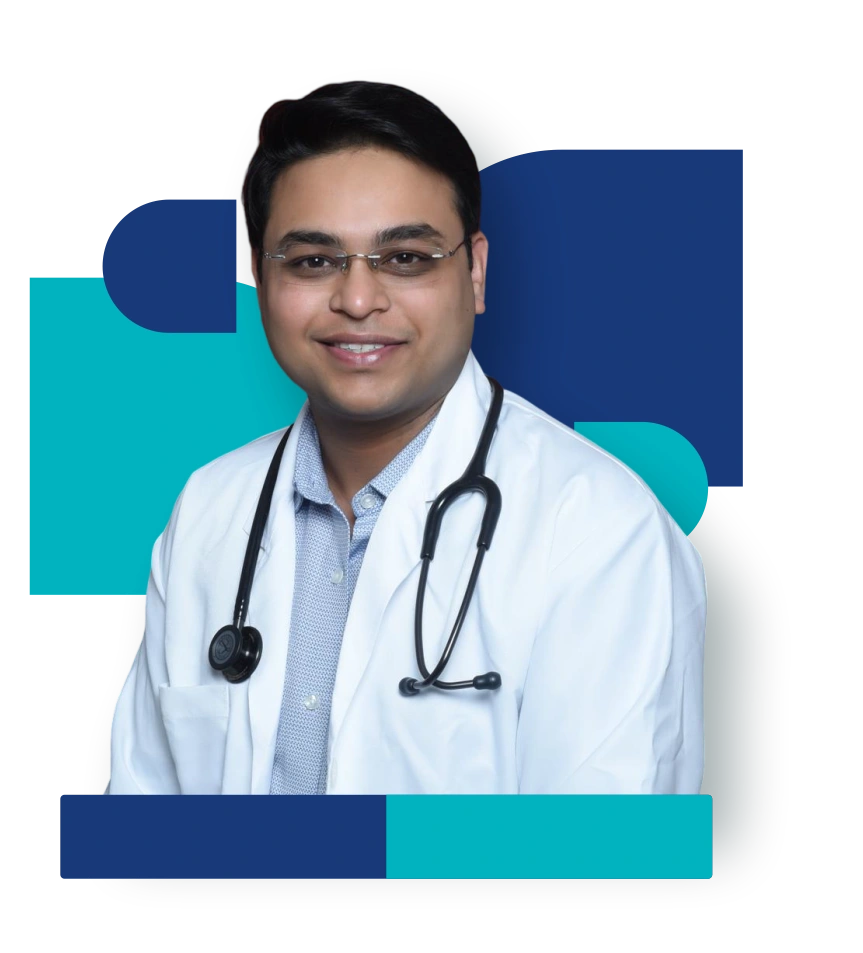
Dr. Yash Kedia is a leading chest specialist in Akola with DM in Pulmonary & Critical Care Medicine, trained in advanced interventional pulmonology – EBUS biopsy, cryobiopsy, bronchoscopy and thoracoscopy. Trained further in Germany and holding a European Diploma in Adult Respiratory Medicine (EDARM), he offers expert diagnosis and treatment for chronic cough, asthma, COPD, TB, ILD lung disease and sleep apnea in Akola.

If you or a family member has noticed loud snoring, breathing pauses during sleep, or you experience excessive daytime tiredness despite sleeping enough hours, a sleep study can help identify whether sleep apnea is the cause.
No. A sleep study is painless — it simply involves monitoring your breathing, oxygen levels and other parameters while you sleep, using sensors placed on the body.
Not always, but loud, frequent snoring — especially with breathing pauses, gasping, or daytime sleepiness — is a common sign of sleep apnea and worth getting evaluated.
CPAP (Continuous Positive Airway Pressure) is the most effective and commonly used treatment for moderate-to-severe obstructive sleep apnea, but treatment can also include lifestyle changes and management of contributing factors, depending on severity.
Yes. Untreated sleep apnea is linked to a higher risk of high blood pressure, heart disease, stroke and type 2 diabetes, which is why proper diagnosis and treatment matter beyond just improving sleep quality.
Yes, though it’s less common than in adults. Signs in children can include snoring, restless sleep, and daytime behavioural or concentration issues, and should be evaluated by a specialist.

Best Pulmonologist & Rheumatologist in Akola, offering advanced lung care, arthritis treatment, sleep apnea treatment, and joint pain treatment under one roof.
Mahatma Gandhi Rd, behind Nishant Towar, Akola, Maharashtra 444001.
© 2026 Nishchay Hospital. All rights reserved. | Designed & Developed by WeDo.