
Pulmonology OPD:2:00 PM - 8:30 PM
Rheumatology OPD:10:00 AM - 8:30 PM
Behind Nishant Tower, Gandhi Road, Akola
+91 74984 96987
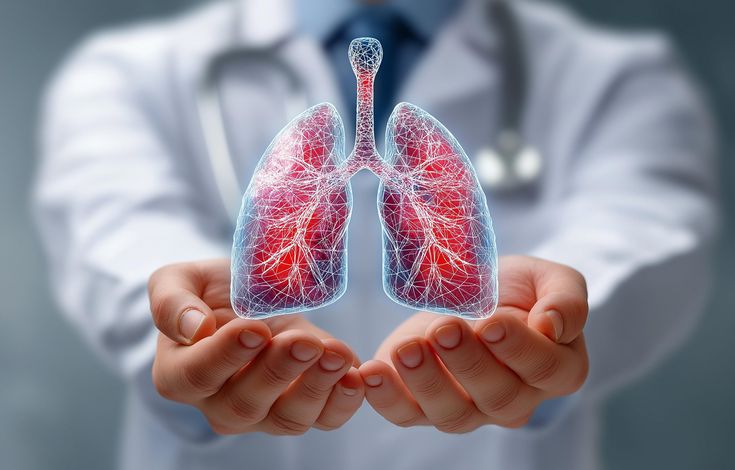
A persistent cough, breathlessness, or a chest that feels tight more often than it should — these aren’t things to simply live with. At Nishchay Hospital, respiratory and lung disease care in Akola is led by Dr. Yash Sanjay Kedia, DM Pulmonology & Critical Care Medicine, offering evaluation and treatment for the full range of breathing and lung conditions, from common to complex.
A persistent cough, breathlessness, or a chest that feels tight more often than it should — these aren’t things to simply live with. At Nishchay Hospital, respiratory and lung disease care in Akola is led by Dr. Yash Sanjay Kedia, DM Pulmonology & Critical Care Medicine, offering evaluation and treatment for the full range of breathing and lung conditions, from common to complex.
Respiratory and lung disease care covers the diagnosis and treatment of conditions affecting the airways, lungs and breathing — from short-term infections to lifelong conditions that need ongoing management. Symptoms like cough, breathlessness, wheezing or chest tightness can come from many different causes, and getting the right diagnosis early changes how well the condition can be managed.
At Nishchay Hospital, patients don’t need to guess whether their symptoms are “serious enough” for a specialist. Every patient is evaluated properly, using clinical assessment, lung function testing and imaging where needed, so that treatment is based on an accurate diagnosis rather than trial and error.
Nishchay Hospital offers comprehensive respiratory and lung disease care in Akola for the following conditions:
A chronic airway condition causing wheezing, breathlessness, and chest tightness, often triggered by allergens, exercise, or weather changes.
Abnormal growths detected on lung imaging, evaluated through further tests to determine their nature and appropriate management.
Conditions affecting the lining around the lungs, including fluid build-up, causing chest pain and breathing difficulty.
Allergic reactions affecting the airways, causing sneezing, congestion, coughing, or breathlessness triggered by dust, pollen, or other allergens.
A group of conditions causing scarring of lung tissue, leading to progressive breathlessness and reduced oxygen levels.
Persistent cough or shortness of breath lasting weeks or more, evaluated to identify and treat the underlying lung condition.
A progressive lung condition, usually linked to smoking or pollution exposure, causing long-term breathlessness and reduced lung function.
Infections of the lung tissue causing fever, cough, and breathing difficulty, requiring timely diagnosis and complete treatment.
Snoring and repeated breathing interruptions during sleep, affecting sleep quality, energy levels, and long-term heart and lung health.
When should a persistent cough be evaluated? If a cough lasts more than 3 weeks, or keeps returning, it’s worth getting evaluated rather than waiting it out – especially if it’s paired with fatigue, weight loss, or breathlessness.
Is breathlessness always related to asthma? No. Breathlessness can come from several causes – asthma, COPD, ILD, anemia, heart conditions, or even anxiety. A proper evaluation helps pinpoint the actual cause instead of guessing.
When does snoring require a sleep study? If snoring is loud and frequent, and comes with daytime tiredness, morning headaches, or witnessed breathing pauses at night, a sleep study can check for sleep apnea.
When is bronchoscopy recommended? Bronchoscopy is generally suggested when imaging shows something unclear in the lungs, when there’s unexplained coughing up of blood, or when a tissue sample is needed for diagnosis.
When should an abnormal lung scan be evaluated by a pulmonologist? Any chest X-ray or CT report flagging nodules, masses, infections, or unclear findings should be reviewed by a pulmonologist for proper next steps.
Some respiratory symptoms feel minor at first but are worth getting checked properly. Consider a pulmonology evaluation if you notice:
Don’t wait it out
Persistent respiratory symptoms deserve a proper evaluation rather than being brushed off as “just a cough” or seasonal allergies.
Not all lung and breathing problems are the same — understanding the difference helps set the right expectations for treatment.
Short-term problems such as pneumonia or a respiratory infection, which usually resolve with timely, complete treatment.
Long-term conditions such as asthma, COPD or ILD, which need ongoing management to control symptoms and protect lung function over time.
Getting an accurate diagnosis matters either way – treating a chronic condition like a short-term infection (or vice versa) can delay proper care and allow symptoms to worsen.
At Nishchay Hospital, evaluation follows a structured process:
Dr. Yash Kedia is a leading chest specialist in Akola with DM in Pulmonary & Critical Care Medicine, trained in advanced interventional pulmonology – EBUS biopsy, cryobiopsy, bronchoscopy and thoracoscopy. Trained further in Germany and holding a European Diploma in Adult Respiratory Medicine (EDARM), he offers expert diagnosis and treatment for chronic cough, asthma, COPD, TB, ILD lung disease and sleep apnea in Akola.

Dr. Yash Kedia is a leading chest specialist in Akola with DM in Pulmonary & Critical Care Medicine, trained in advanced interventional pulmonology – EBUS biopsy, cryobiopsy, bronchoscopy and thoracoscopy. Trained further in Germany and holding a European Diploma in Adult Respiratory Medicine (EDARM), he offers expert diagnosis and treatment for chronic cough, asthma, COPD, TB, ILD lung disease and sleep apnea in Akola.

If a cough lasts more than three weeks, or keeps returning, it’s worth getting evaluated rather than waiting it out — especially if it’s paired with fatigue, weight loss, or breathlessness.
No. Breathlessness can come from several causes — asthma, COPD, ILD, anemia, heart conditions, or anxiety. A proper evaluation helps pinpoint the actual cause instead of guessing.
If snoring is loud and frequent, and comes with daytime tiredness, morning headaches, or witnessed breathing pauses at night, a sleep study can check for sleep apnea.
Bronchoscopy is generally recommended when imaging shows an unclear finding in the lungs, when there’s unexplained blood in sputum, or when a tissue sample is needed for diagnosis.
EBUS (Endobronchial Ultrasound) is a minimally invasive procedure used to examine and biopsy lymph nodes or masses near the airways – commonly used in diagnosing lung cancer, TB, and other chest conditions.
Any chest X-ray or CT report flagging nodules, masses, infections, or unclear findings should be reviewed by a pulmonologist for proper next steps.

Best Pulmonologist & Rheumatologist in Akola, offering advanced lung care, arthritis treatment, sleep apnea treatment, and joint pain treatment under one roof.
Mahatma Gandhi Rd, behind Nishant Towar, Akola, Maharashtra 444001.
© 2026 Nishchay Hospital. All rights reserved. | Designed & Developed by WeDo.