
Pulmonology OPD:2:00 PM - 8:30 PM
Rheumatology OPD:10:00 AM - 8:30 PM
Behind Nishant Tower, Gandhi Road, Akola
+91 74984 96987

Persistent joint pain, swelling or morning stiffness can sometimes be more than ordinary joint pain. Rheumatoid arthritis (RA) is an autoimmune condition that can cause ongoing inflammation in the joints and, if not treated appropriately, may affect joint function and other parts of the body.
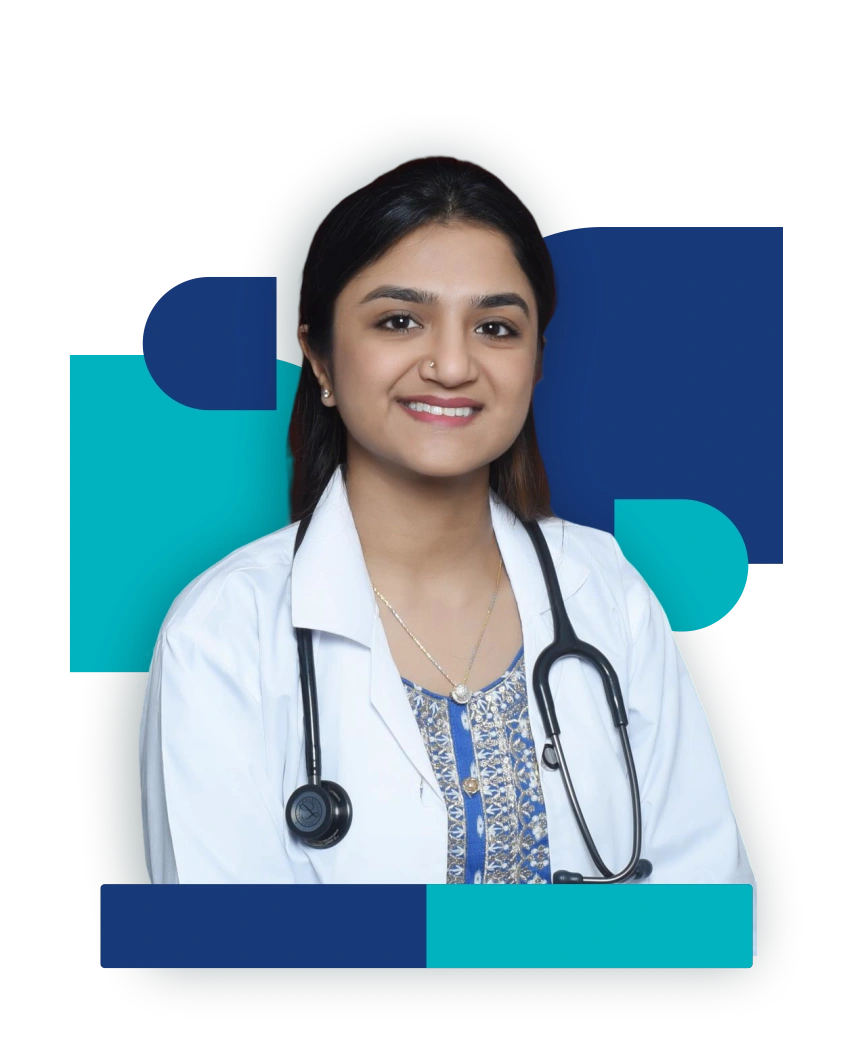
At Nishchay Hospital, patients can receive specialist-led rheumatoid arthritis treatment in Akola under the care of Dr. Niti Y. Kedia, Rheumatologist. Treatment is planned according to the type and activity of the disease, symptoms, test results and individual needs.
Persistent joint pain, swelling or morning stiffness can sometimes be more than ordinary joint pain. Rheumatoid arthritis (RA) is an autoimmune condition that can cause ongoing inflammation in the joints and, if not treated appropriately, may affect joint function and other parts of the body.
At Nishchay Hospital, patients can receive specialist-led rheumatoid arthritis treatment in Akola under the care of Dr. Niti Y. Kedia, Rheumatologist. Treatment is planned according to the type and activity of the disease, symptoms, test results and individual needs.
Rheumatoid arthritis is a chronic autoimmune disease in which the immune system mistakenly attacks the body’s own tissues, particularly the lining of the joints. This causes inflammation that can lead to pain, swelling, stiffness and difficulty moving the affected joints.
RA commonly affects the hands, wrists, feet, knees and other joints. It often affects joints on both sides of the body, although symptoms can vary from person to person.
Unlike osteoarthritis, which is mainly associated with changes and wear within the joint, rheumatoid arthritis is driven by an abnormal immune response. Because RA can affect more than just the joints, proper evaluation by a rheumatologist is important.
Nishchay Hospital offers comprehensive Rheumatoid Arthritis treatment in Akola for the following conditions:
Timely diagnosis and treatment to control inflammation before it leads to permanent joint damage.
Individualised care including DMARDs and biologic therapy for patients with more active or advanced disease.
Evaluation and management of inflammatory arthritis in children, guided by a specialist familiar with paediatric rheumatology.
Coordinated care for patients where rheumatoid arthritis affects organs beyond the joints, such as the lungs, skin, or blood vessels.
Rheumatoid arthritis can develop gradually, and early symptoms may sometimes be mistaken for general joint pain or fatigue.
Common symptoms include:
Symptoms can come and go, with periods when the disease becomes more active. Persistent or recurring symptoms should be evaluated rather than managed only with painkillers.
Rheumatoid arthritis can affect several joints at once, and symptoms often appear symmetrically — meaning the same joint is affected on both sides of the body. It commonly involves:
Because RA is a systemic autoimmune condition, its effects are not always limited to the joints. Depending on how active the disease is, inflammation may also involve the eyes, skin, lungs, blood vessels or other organs – which is why ongoing monitoring by a rheumatologist matters, even once joint symptoms are under control.
There is no single test that can confirm rheumatoid arthritis in every patient. Diagnosis usually involves combining symptoms, physical examination and appropriate investigations. At Nishchay Hospital, evaluation may include:
The goal of treatment is not simply to reduce pain. Rheumatoid arthritis treatment aims to control inflammation, prevent or reduce joint damage, maintain movement and help patients manage the condition over the long term. Treatment is individualized according to disease activity, symptoms, medical history and response to therapy.
Treatment may include disease-modifying antirheumatic drugs (DMARDs), anti-inflammatory medicines and other therapies. DMARDs are important because they control the underlying disease rather than just providing temporary relief.
Patients with moderate-to-severe disease or those who do not respond adequately to conventional treatment may be considered for biologic or targeted therapies. These medicines are prescribed after specialist assessment and appropriate screening.
When clinically appropriate, ultrasound guidance can help a specialist accurately identify the affected structure during selected joint or soft-tissue procedures.
Appropriate physical activity and physiotherapy can help maintain joint movement, muscle strength and physical function. The type and intensity of exercise should be suited to the individual’s condition and disease activity.
Healthy weight management, regular physical activity, avoiding smoking and maintaining a balanced diet can support overall health and complement medical treatment.
Rheumatoid arthritis is a condition that often requires ongoing follow-up. Treatment may need to be adjusted according to symptoms, examination findings, disease activity and response to medication.
Rheumatoid arthritis can become more difficult to control when significant inflammation continues for a long time. Early diagnosis and appropriate treatment can help control disease activity and reduce the risk of progressive joint damage.
Seeking specialist evaluation early can also help distinguish rheumatoid arthritis from osteoarthritis, gout, infections and other conditions that may cause similar joint symptoms.
The earlier the underlying cause is identified, the sooner an appropriate treatment plan can be considered.
Dr. Niti Y. Kedia is a gold-medalist physician trained in Internal Medicine, with focused post-doctoral training in Rheumatology. She provides specialised arthritis and autoimmune care in Akola, backed by advanced diagnostic skills and international training.
She completed a 2-year post-doctoral Fellowship in Rheumatology at the Indian Spinal Injuries Centre, Delhi, and holds EULAR training in musculoskeletal ultrasound – a precision imaging technique that allows early and accurate detection of joint inflammation, often before it is visible on standard X-rays.
Dr. Niti Y. Kedia is a gold-medalist physician trained in Internal Medicine, with focused post-doctoral training in Rheumatology. She provides specialised arthritis and autoimmune care in Akola, backed by advanced diagnostic skills and international training.
She completed a 2-year post-doctoral Fellowship in Rheumatology at the Indian Spinal Injuries Centre, Delhi, and holds EULAR training in musculoskeletal ultrasound – a precision imaging technique that allows early and accurate detection of joint inflammation, often before it is visible on standard X-rays.
At Nishchay Hospital, rheumatoid arthritis care is focused on understanding the individual rather than treating every patient in the same way.
Patients receive:
The aim is to help patients understand their condition, control inflammation and maintain their joint function and quality of life.
At Nishchay Hospital, rheumatoid arthritis care is focused on understanding the individual rather than treating every patient in the same way.
Patients receive:
The aim is to help patients understand their condition, control inflammation and maintain their joint function and quality of life.
Early signs may include persistent joint stiffness, swelling, tenderness and pain, particularly in the hands, wrists or feet. Morning stiffness lasting more than 30 minutes and symptoms affecting several joints may warrant a rheumatology evaluation.
Yes. Rheumatoid arthritis is an autoimmune disease in which the immune system mistakenly attacks tissues around the joints, causing inflammation, pain, swelling and stiffness.
There is currently no permanent cure for rheumatoid arthritis, but it can often be effectively managed with appropriate treatment. The aim is to control inflammation, prevent or reduce joint damage and maintain everyday function.
Rheumatoid arthritis is an autoimmune condition caused by immune system inflammation, while osteoarthritis results from gradual cartilage wear and tear — RA also tends to affect joints symmetrically, while osteoarthritis often doesn’t.
RA most commonly begins between ages 30 and 60, though it can develop at any age, including in children (known as juvenile arthritis).
Yes. Nishchay Hospital provides specialist rheumatology evaluation and treatment for rheumatoid arthritis in Akola, including medical management, appropriate investigations, musculoskeletal ultrasound when indicated and advanced therapies for selected patients.

Best Pulmonologist & Rheumatologist in Akola, offering advanced lung care, arthritis treatment, sleep apnea treatment, and joint pain treatment under one roof.
Mahatma Gandhi Rd, behind Nishant Towar, Akola, Maharashtra 444001.
© 2026 Nishchay Hospital. All rights reserved. | Designed & Developed by WeDo.