
Pulmonology OPD:2:00 PM - 8:30 PM
Rheumatology OPD:10:00 AM - 8:30 PM
Behind Nishant Tower, Gandhi Road, Akola
+91 74984 96987

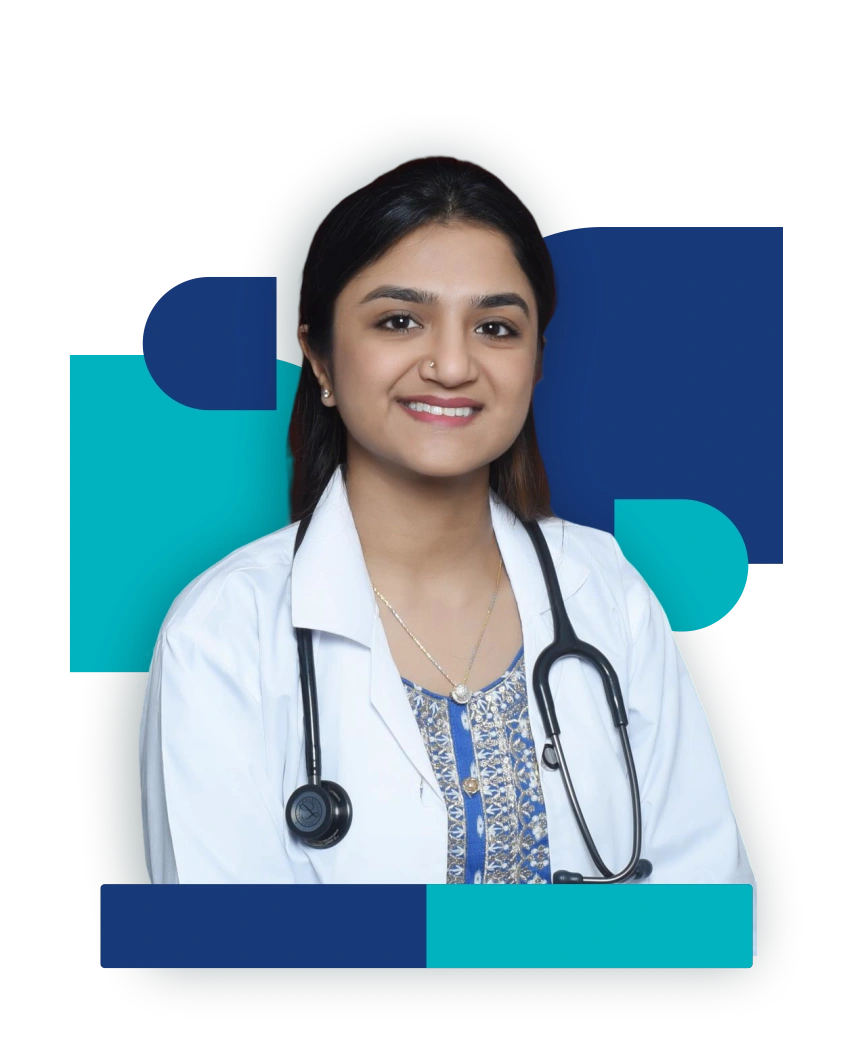
Expert diagnosis and treatment for joint pain, arthritis, and autoimmune conditions – led by Dr. Niti Y. Kedia, EULAR-trained rheumatologist at Nishchay Hospital, Akola. From early-stage joint pain to complex autoimmune disorders, every patient receives a clear diagnosis and a treatment plan built around their condition – not a one-size-fits-all prescription.
Expert diagnosis and treatment for joint pain, arthritis, and autoimmune conditions – led by Dr. Niti Y. Kedia, EULAR-trained rheumatologist at Nishchay Hospital, Akola. From early-stage joint pain to complex autoimmune disorders, every patient receives a clear diagnosis and a treatment plan built around their condition – not a one-size-fits-all prescription.
Arthritis and autoimmune diseases are conditions that affect your joints, muscles, and sometimes your internal organs. In arthritis, the joints become inflamed, causing pain, stiffness, and swelling that can make everyday movement difficult. In autoimmune diseases, the body’s immune system mistakenly attacks its own healthy tissue instead of protecting it, which can lead to widespread inflammation affecting joints, skin, kidneys, or other organs.
Many people live with joint pain or fatigue for months, assuming it’s just “wear and tear” or stress. But arthritis and autoimmune conditions are medical conditions that respond well to timely treatment. With the right rheumatology care in Akola, most patients can manage symptoms effectively, protect their joints from long-term damage, and continue living active lives.
Nishchay Hospital offers comprehensive arthritis and autoimmune care in Akola for the following conditions:
A chronic autoimmune condition where the immune system attacks the joint lining, causing pain, swelling, and stiffness, most often in the hands, wrists, and knees. Early treatment helps prevent permanent joint damage.
Evaluation and management of joint pain caused by various forms of arthritis, including osteoarthritis and inflammatory arthritis, with a focus on reducing pain and restoring mobility.
Systemic Lupus Erythematosus (SLE) is an autoimmune condition that can affect the skin, joints, kidneys, and other organs. Careful monitoring and individualised treatment help control flares and protect organ health.
A form of arthritis caused by excess uric acid crystallising in the joints, leading to sudden, severe pain – often in the big toe. Treatment focuses on managing acute attacks and lowering uric acid levels long-term.
A group of inflammatory conditions primarily affecting the spine and large joints, causing stiffness and back pain that is often mistaken for a common backache. Early diagnosis helps prevent long-term spinal stiffness.
A group of autoimmune conditions causing inflammation of blood vessels or connective tissue, which can affect the skin, nerves, and internal organs. Timely diagnosis helps prevent damage to vital organs.
You may benefit from a rheumatology consultation in Akola if you experience:
If any of this sound familiar, it’s worth getting evaluated early rather than waiting for symptoms to worsen.
These two terms are often used together, but they aren’t the same thing.
Arthritis refers specifically to inflammation of the joints. It can be caused by wear and tear (osteoarthritis), infection, or an autoimmune process.
Autoimmune disease is a broader category where the immune system attacks the body’s own tissues. This can cause arthritis, but it can also affect the skin, kidneys, lungs, and other organs.
In simple terms: all autoimmune arthritis is arthritis, but not all arthritis is autoimmune. Some autoimmune diseases (like lupus) may not primarily present as joint pain at all. This is why an accurate diagnosis by a trained rheumatologist matters — treatment differs significantly depending on the underlying cause.
Getting the right diagnosis is the most important step in arthritis and autoimmune care. At Nishchay Hospital, Dr. Kedia uses a combination of:
This thorough, evidence-based approach helps avoid both under-diagnosis (missing a treatable condition) and over-diagnosis (unnecessary long-term medication).
Dr. Niti Y. Kedia is a gold-medalist physician trained in Internal Medicine, with focused post-doctoral training in Rheumatology. She provides specialised arthritis and autoimmune care in Akola, backed by advanced diagnostic skills and international training.
She completed a 2-year post-doctoral Fellowship in Rheumatology at the Indian Spinal Injuries Centre, Delhi, and holds EULAR training in musculoskeletal ultrasound – a precision imaging technique that allows early and accurate detection of joint inflammation, often before it is visible on standard X-rays.
Dr. Niti Y. Kedia is a gold-medalist physician trained in Internal Medicine, with focused post-doctoral training in Rheumatology. She provides specialised arthritis and autoimmune care in Akola, backed by advanced diagnostic skills and international training.
She completed a 2-year post-doctoral Fellowship in Rheumatology at the Indian Spinal Injuries Centre, Delhi, and holds EULAR training in musculoskeletal ultrasound – a precision imaging technique that allows early and accurate detection of joint inflammation, often before it is visible on standard X-rays.
No. While osteoarthritis is more common with age, autoimmune arthritis like rheumatoid arthritis can affect young adults and even children.
Consult a rheumatologist if joint pain or swelling persists, morning stiffness lasts for more than 30 minutes, multiple joints are affected, or symptoms such as fatigue, fever or skin rashes occur along with joint problems.
Early signs may include persistent joint pain, swelling, morning stiffness, tenderness and fatigue. Rheumatoid arthritis often affects several joints, particularly the hands, wrists and feet, and early evaluation can help with timely treatment.
Most autoimmune conditions are managed rather than cured, but with proper treatment, patients can achieve long periods with minimal or no symptoms.
Yes. Some autoimmune diseases can affect the skin, muscles, blood vessels, eyes, kidneys, lungs and other organs in addition to causing joint symptoms.
Yes. Children can develop inflammatory conditions such as juvenile idiopathic arthritis (JIA). Persistent joint swelling, stiffness, pain or difficulty with movement should be evaluated by an appropriate specialist.

Best Pulmonologist & Rheumatologist in Akola, offering advanced lung care, arthritis treatment, sleep apnea treatment, and joint pain treatment under one roof.
Mahatma Gandhi Rd, behind Nishant Towar, Akola, Maharashtra 444001.
© 2026 Nishchay Hospital. All rights reserved. | Designed & Developed by WeDo.